



Why does your internet keep dropping? (And how to fix it)
Home / Blog / Broadband tips / Why does your internet keep dropping? (And how to fix it)Reading time: 6 minutes

Few things are as frustrating as your internet cutting out right when you need it most. Whether you’re mid-Zoom call, streaming your favourite show on Netflix, or trying to send an important email, a flaky connection can drive even the most patient of us up the wall.
But don’t worry – there’s always a reason why your internet’s dropped out, and in most cases, solving it is a quick and easy fix.
Reasons your internet keeps dropping & how to fix it
Alright, let’s get that internet connection of yours back up and running without a hitch. Here are the most common reasons the internet drops out, and how you can fix each yourself:
Router issues causing the WiFi to drop
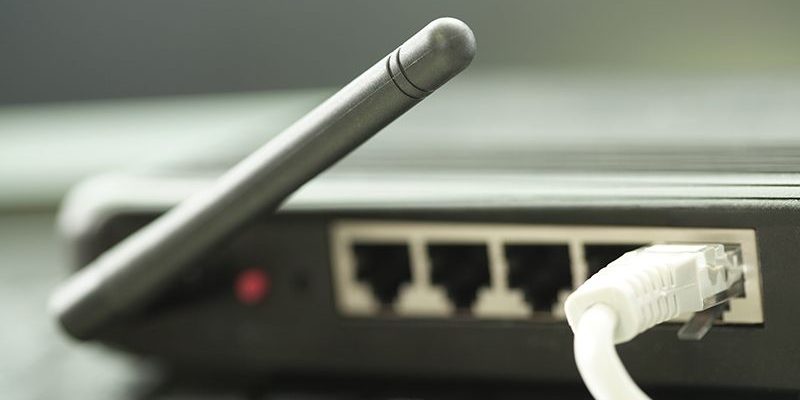
Your router is the heart of your home internet, and if it’s acting up, so will your internet connection. Start with the basics: check that all cables are securely plugged in, then restart the router – yes, the classic “turn it off and on again” really does work more often than you’d think.
However, never try and reset your router as this may cause it to be unusable with your broadband provider and could incur a charge to fix.
If you’re still having trouble, check if your router’s firmware is up to date. Manufacturers release updates to fix bugs and improve internet performance, and if yours is outdated, it could be the reason why your internet keeps disconnecting.
You’ll usually find firmware updates on the manufacturer’s website or in your router’s settings. Just log into your router’s advanced network settings via a web browser (use the router’s IP address, typically found on the device itself). Look for a firmware update option in the settings menu, and follow the prompts to install it.
Still not working? If your router is more than five years old, it might be time for an upgrade. Older models struggle with modern internet demands, especially in busy households with multiple devices connected at once.
Tip: To find out more about troubleshooting WiFi router issues, check out our dedicated blog.
Your Internet Service Provider (ISP) might be the problem
Before you start pulling your hair out, check if there’s an outage in your area. Most ISPs have a service status page on their website, or you can check sites like Downdetector to see if others are reporting issues or internet outages.
You can find Airband’s network status page here.
Tip: Not sure what an ISP is? Check out our dedicated blog.
Your internet plan may not be enough for your needs
If your connection is frequently dropping, you might simply be exceeding the limits of your internet plan. Some ISPs have data caps or speed restrictions that can cause intermittent connectivity issues or internet speed sadness (relatable, no?).
So, if you’re online gaming and other members of your household are streaming movies while a smart home operates in the background, it’s likely just network overload that’s giving you trouble. This is a simple fix – check your plan details to see if you’re hitting any limits. If so, consider upgrading to a broadband plan with higher speeds or unlimited data (all Airband packages come with unlimited data).
Your WiFi signal might be too weak
If your connection drops when you move to another room, your WiFi signal might not be strong enough for all your connected devices. Walls, furniture, and even household appliances can cause signal interference, especially if you have an older or lower-end router.
Try moving closer to the router and see if your WiFi connection improves. If that helps, consider relocating your router to a more central spot in your home. Avoid placing it near thick walls, large metal objects, or electronics like microwaves that can interfere with a wireless signal.
If moving your router isn’t an option, a WiFi extender or mesh system can help boost the signal to reach those dead zones in your home.
Too many devices are fighting for bandwidth
The more devices connected to your WiFi, the more strain it puts on your router. If someone is streaming in 4K while another person is gaming online, and a third is on a video call, your network may struggle to keep up a stable connection.
So, if you think this is your issue, first check how many devices are connected and disconnect any that aren’t in use. If slowdowns and dropouts happen regularly, consider upgrading to a router that can handle more connections or switching to a higher-speed internet plan, such as Airband’s Fibre 900.
Some routers also have Quality of Service (QoS) settings that let you prioritise important activities, like work calls, over less critical things like background downloads.
Your device might be the issue
Sometimes the problem isn’t with your internet at all – it’s with the device you’re using. If only one device is having connection issues while others are fine, try restarting it.
Also, check if your device’s network drivers or software are up to date. Outdated drivers can cause connection problems, and it’s a quick and easy fix to update network adapter drivers. Running a malware scan is also a good idea, as some types of malware can interfere with a reliable connection.
Weather conditions can affect your connection
Extreme weather, such as heavy rain, snow, or strong winds, can interfere with your WiFi connection, especially if you use satellite or fixed wireless broadband. These conditions can cause signal degradation or even temporary outages.
If you suspect weather is causing your issues, check your ISP’s website for updates. Unfortunately, there isn’t much you can do about the weather, but if you live in an area prone to extreme conditions, switching to a more resilient internet connection, like fibre optic, may help.

Electrical interference from other devices
Other electronic devices in your home can interfere with your internet connection. Cordless phones, baby monitors, microwaves, and even Bluetooth devices can cause WiFi interference, leading to internet connectivity problems.
Try moving your router away from these devices, or switch your WiFi channel to a less congested one. Most modern routers allow you to change channels in their network settings to improve connectivity.
Incorrect or outdated network settings
Your device or computer’s network settings play a crucial role in maintaining a stable internet connection. Misconfigured settings, outdated network adapter drivers, or conflicts between network adapters can cause frequent dropouts. Here’s how to tackle this issue:
- Reset your network settings – On Windows, you can do this by going to Settings > Network & Internet > Status > Network reset. On macOS, navigate to System Preferences > Network, remove your WiFi connection, and re-add it.
- Update your network drivers – If you’re using an outdated or corrupt network driver, your connection may be unstable. You can update your drivers via Device Manager on Windows or through Software Update on macOS.
- Check for conflicting IP addresses – If multiple devices on your network have the same IP address, it can cause internet disconnects. Restarting your router or manually setting a unique IP address can resolve this.
Blocked by network security settings
Certain network security settings, firewalls, or parental controls can restrict access to the internet, leading to dropped connections. If you’re on a work or school network, the administrator may have set restrictions that limit your browsing.
While these internet connectivity issues are likely intentional restrictions, there are still a few things to try. Firstly, check your firewall settings to ensure your device isn’t blocked. Then disable any VPNs or security software temporarily to see if they’re causing the issue.
If you’re using a work or school network, contact the IT department to verify any restrictions. And if you’re a child reading this and want to hack your home network to lift restrictions – sorry, we can’t help you – talk to your mum, dad or another responsible adult!
Final fixes to try
If your internet still keeps dropping, here are a few last things to check:
- Use a wired connection – If you need a rock-solid connection, plug directly into your router with an Ethernet cable.
- Contact your ISP – If you’ve tried everything and your internet still isn’t stable, it’s time to contact your provider. They may need to send a technician or provide a better modem/router. If Airband supplies your internet, you can contact us here.
Experiencing issues with Airband?
Shucks, we’re sorry that you’re experiencing difficulties with your Airband connection! We always want to be on-the-ball with any issues our customers face, and have put together a guide for quick fixes to Airband problems for just this purpose. If that doesn’t resolve your issue, please do not hesitate to contact us and speak to a member of our technical team.



Check availability:
